Poland’s Dairy Industry: Key Numbers and Trends
Poland has developed one of the largest and most important dairy industries in the European Union. Dairy farming has a long tradition in the country, particularly in regions such as Podlaskie, Mazowieckie, Wielkopolskie, and Warmińsko-Mazurskie, where milk production forms an important part of the local agricultural economy. Today, Poland stands alongside Germany and France as one of the EU’s major milk-producing countries. The sector includes thousands of dairy farms, large farmer-owned cooperatives, private processors, cheese factories, milk powder plants, and internationally active food companies. Poland benefits from a combination of relatively strong agricultural production, an established processing industry, access to the EU single market, and a geographical position that allows dairy companies to serve both Western and Eastern European markets. As a result, milk is not only an important agricultural commodity for Poland but also an important export product.
Milk production in Poland has continued to increase even as the number of dairy cows has gradually declined. Estimated Polish cow’s milk production reached approximately 15.94 billion litres in 2025, compared with around 15.58 billion litres in 2024. At the same time, the dairy cow population fell to roughly 1.94 million animals. This combination reveals one of the most important long-term trends in Polish dairy farming: fewer cows are producing more milk. Farms are improving productivity through better genetics, animal nutrition, modern barns, milking systems, herd management, and veterinary care. Instead of expanding simply by keeping more animals, many Polish dairy farms are increasing output per cow. This development mirrors trends seen across much of Western Europe, where efficiency and productivity have become increasingly important for maintaining competitiveness.
Another important indicator is the amount of milk delivered to commercial dairies. In 2025, Polish processors purchased approximately 13.5 billion litres of milk, around 3.2% more than in the previous year. During the first half of 2025 alone, milk deliveries reached around 6.8 billion litres, approximately 2% higher than during the same period of 2024. These figures demonstrate the scale of Poland’s industrial dairy supply chain. Large quantities of milk move every day from farms through collection networks into processing facilities where the raw material is transformed into drinking milk, cheese, butter, cream, yogurt, milk powder, whey products and other foods. The continued increase in milk deliveries also indicates that a growing share of production is passing through organized commercial processing channels rather than being consumed or processed directly on farms.
The structure of Polish dairy farming itself is also changing. Small farms have historically played a major role in milk production, but the industry is becoming increasingly concentrated around larger and more productive operations. Some farmers leave dairy production because of rising labour costs, investment requirements, energy prices, environmental standards and the demanding nature of managing dairy cattle every day. Their production is often replaced by farms that increase their herd sizes and invest in automated feeding, modern milking parlours, cooling tanks and digital herd-management systems. This process does not necessarily mean that milk production is declining. In fact, the opposite has happened: overall production has continued to rise despite a smaller national dairy herd. Large suppliers are becoming increasingly important for processors. For example, Mlekpol reported that in 2025, 271 of its suppliers were already delivering at least one million litres of milk annually, and these farms accounted for around a quarter of the cooperative’s total milk collection.
Dairy cooperatives remain particularly important in Poland. Unlike some industries where farmers mainly sell to privately owned processors, a significant part of Polish milk is handled by cooperatives owned by milk producers themselves. Large organizations such as Mlekpol demonstrate the scale that this model can reach. Mlekpol alone collected more than 2.16 billion litres of milk in 2025, equivalent to approximately 16% of Poland’s total commercial milk collection. Cooperatives can organize milk collection, processing, product development, branding and distribution while allowing farmers to participate economically in the processing side of the industry. This structure has helped Poland create processing companies capable of operating at a scale far beyond individual farms. At the same time, competition between cooperatives and private dairies creates pressure to offer farmers attractive milk prices and invest continuously in processing efficiency and new products.
Exports are another major pillar of the Polish dairy industry. Poland produces considerably more dairy products than can be absorbed by its domestic market, making international trade essential to the sector. During 2025, Polish dairy exports continued to grow strongly. In the first nine months of the year alone, dairy exports reached approximately €3.1 billion, an increase of 14% compared with the same period a year earlier. About 73% of this export revenue came from other European Union countries. Germany was by far the largest individual destination, accounting for around 21% of Polish dairy export value during this period. Other important EU markets included the Czech Republic, the Netherlands, Romania and Italy. Outside the EU, important destinations included the United Kingdom, Algeria, Ukraine, China and Saudi Arabia. This geographical diversity allows Polish producers to participate in both neighbouring European markets and more distant international markets.
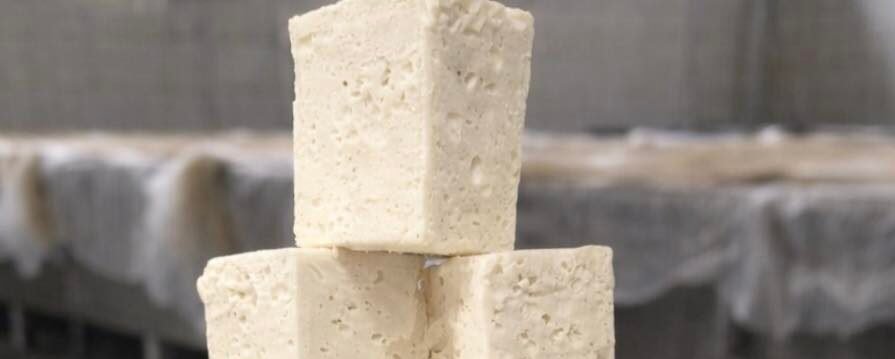
Cheese has become particularly important within this export structure. During the first nine months of 2025, Poland exported around 220,000 tonnes of cheese and curd worth approximately €998 million, making this category the largest source of dairy export revenue. Liquid milk and cream generated around €606 million, while butter and milk fats contributed approximately €429 million. Ice cream exports were also significant at roughly €414 million, followed by concentrated and powdered milk at €279 million and yogurt and fermented dairy drinks at around €217 million. These figures demonstrate that Poland is no longer simply an exporter of raw agricultural commodities. An increasing amount of value is created through processing milk into products that can be branded, packaged and sold internationally. Cheese is especially important because processing raw milk into mature or specialized cheeses can generate significantly more value than selling milk as a basic commodity.
The future of the Polish dairy industry will therefore depend less on simply producing greater volumes of milk and increasingly on efficiency, specialization and value-added processing. Farms will continue becoming larger and more technologically advanced, while processors will face pressure to reduce energy use, automate factories, improve animal welfare standards and respond to environmental requirements. At the same time, growing exports create opportunities for Polish companies to move beyond competing primarily on price and develop stronger consumer brands, specialty cheeses, high-protein products, lactose-free dairy products and other higher-margin categories. Poland already possesses several of the fundamental advantages required to remain a major European dairy producer: a large agricultural base, experienced farmers, established cooperatives, substantial processing capacity and access to the EU market. The central challenge for the coming years will be turning this production strength into greater added value and stronger positions for Polish dairy brands in international markets.